Subthalamic nucleus
Spatio-molecular architecture of the STN and adjacent nuclei across species, and its role in motor control, aversion and reward.
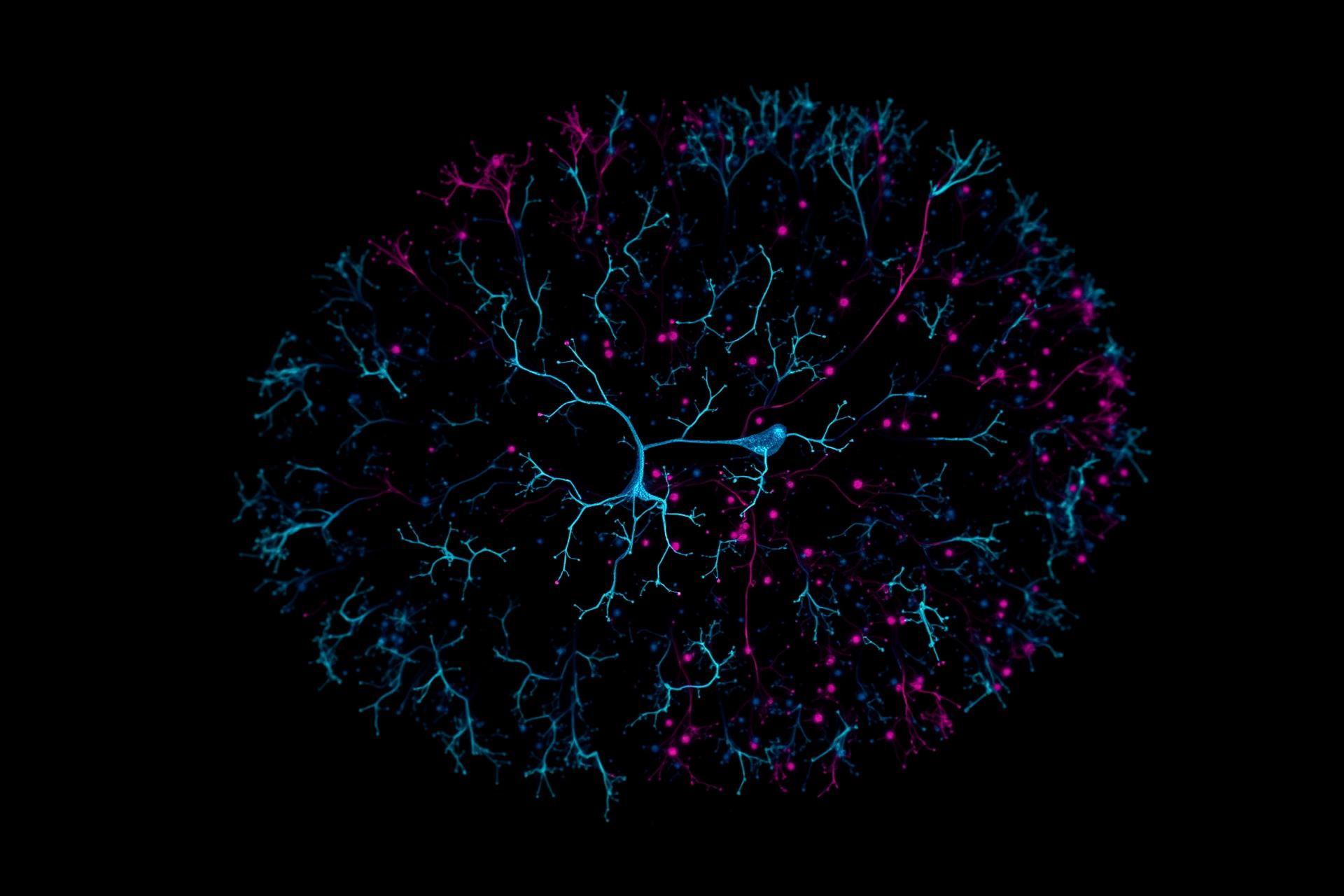
Mackenzie Lab · Lund University
Mapping the cells and circuits of the subthalamic nucleus and dopamine system — with viral tracing, optogenetics, FISH, behaviour and microscopy.
About the lab
The subthalamic nucleus is a key node of the basal ganglia and a clinical target for deep brain stimulation in Parkinson's disease — yet its cellular heterogeneity remains only partly understood.
We identify molecularly defined subpopulations within the STN and the dopaminergic midbrain, trace their connectivity with viral vectors, manipulate them with optogenetics, and link their activity to behaviour — bridging molecular anatomy and translational neuroscience.
Focus areas
Spatio-molecular architecture of the STN and adjacent nuclei across species, and its role in motor control, aversion and reward.
Heterogeneity of midbrain dopamine neurons, including glutamate co-release via VGLUT2 in mesoaccumbal and mesocortical pathways.
Implications for Parkinson's disease, deep brain stimulation, addiction and neuropsychiatric disorders.
"Resolution at the level of single cells, interpretation at the level of circuits."
Lab principle
Get in touch
We welcome enquiries from prospective PhD students, postdocs and collaborators working on basal ganglia, dopamine, optogenetics or spatial transcriptomics.
